Page Speed
Web app for measuring and tracking page speed changes

This project was developed for a small IT company based in Spain with the goal of creating a clear and accessible performance-monitoring experience for users working with complex technical data. The product required a strong UX foundation to connect multiple features, simplify information and help users better understand website performance.
I was responsible for the end-to-end UX and UI design, beginning with the overall experience and user journeys before moving into the final interface. I worked across the complete design process, including information architecture, user flows, wireframes, prototyping and high-fidelity UI design. Each stage helped shape a more intuitive product structure and ensured that the different areas of the platform worked together as part of one cohesive experience.
Alongside the product design, I also developed the visual identity, including the logo, visual language and landing page. This allowed me to create a consistent experience across the product and its wider digital ecosystem, connecting the brand with the interface in a clear and recognisable way.
Because the platform included a large amount of interconnected functionality, much of the design process focused on reducing complexity and creating clear paths through the product. The final experience was designed to make technical performance data easier to understand, helping users navigate the platform with greater confidence and focus on the actions that could have the greatest impact.
year
2025
timeframe
2 months
tools
Figma
category
UI/UX
The Challenge
Website performance tools generate complex data that can be difficult to turn into clear actions. The challenge was to simplify this information, help teams identify the most impactful improvements, and track how releases affected performance over time.
The Product
PageSpeedpilot combines performance monitoring, analysis and release tracking in one platform. It helps teams measure, understand and improve website performance through a central dashboard, actionable recommendations, visual page-load recordings and release impact tracking.

Structuring a Complex Product
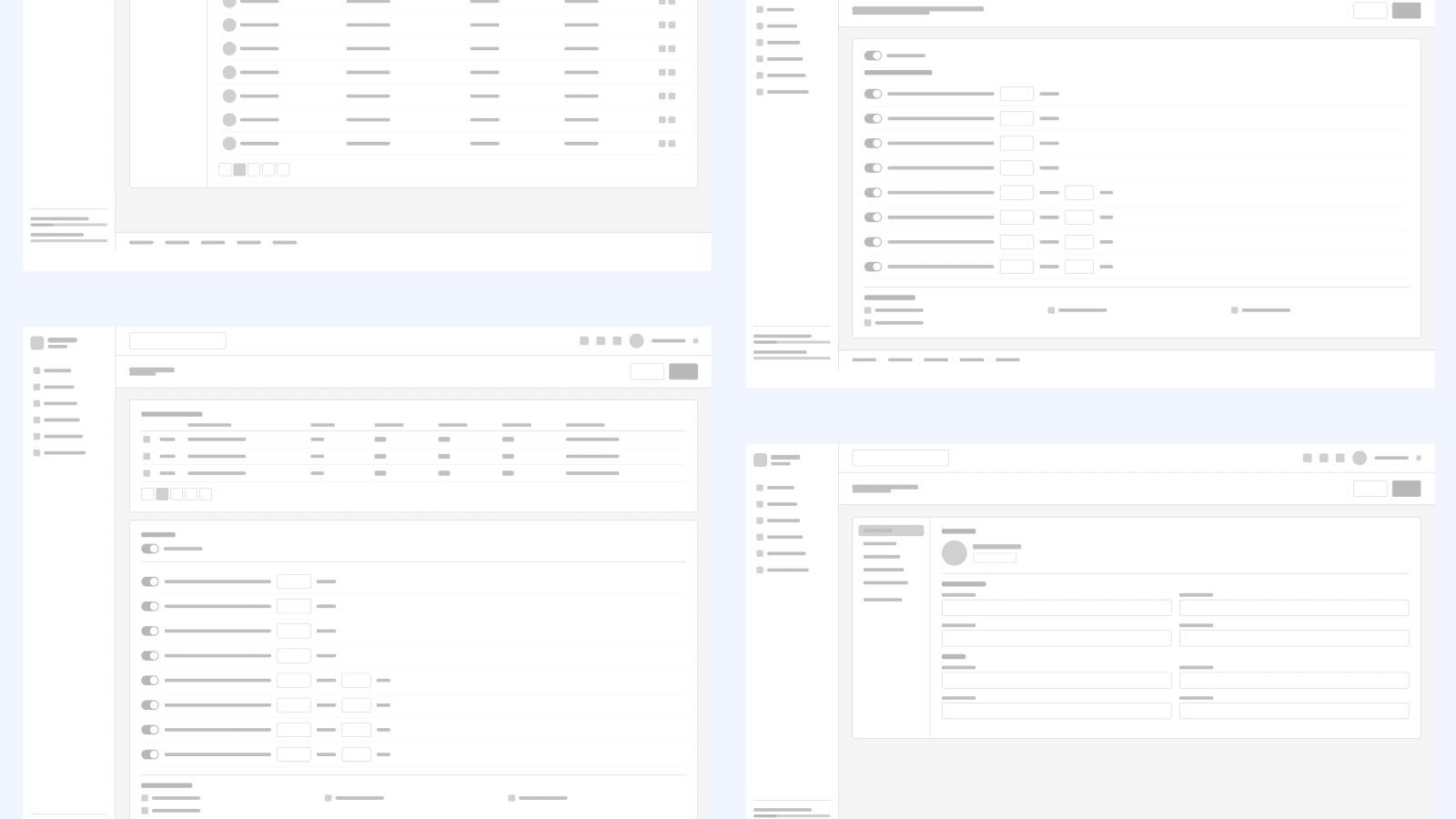
After defining the core functionalities I created low-fidelity wireframes to establish the app’s structure.
Given the complexity of the product and the number of interconnected features, wireframing was a critical step in understanding how information should be organised and how users would navigate between different areas of the app. It allowed me to explore different approaches, identify potential usability issues, and refine the experience before moving into visual design.
Once the key flows and information architecture were validated, I moved into the final stage of the design process, translating the established UX structure into the final interface.
Reducing Cognitive Load
Performance monitoring can quickly become overwhelming when users are presented with too many metrics, technical terms and recommendations. The interface therefore prioritizes clarity over information density. Important performance signals are surfaced first, related information is grouped together, and detailed technical data is available when users need to investigate further. The goal was not to show users more data, but to help them understand the right data at the right moment.


Creating the Visual Language
Alongside the product UX and UI, I developed the visual identity for PageSpeedpilot, including the logo, typography, colour system and supporting visual language. The visual direction was designed to communicate precision, reliability and technical performance while keeping the interface approachable and easy to navigate. The same visual principles were then carried through the product interface and landing page to create a consistent brand experience.

Outcome
The final concept established a product experience that connects performance monitoring, diagnosis and continuous optimization in one workflow. Rather than treating page speed as a collection of technical metrics, PageSpeedpilot was designed around the user's need to understand performance, identify problems and take action. The result is a more approachable performance-monitoring experience that can support both technical and non-technical teams.


